Garage estimates can be difficult to follow when they are full of unfamiliar terms. These ten explanations will help you understand the parts your mechanic is discussing and ask clearer questions about a repair.
1. Cylinder head
The cylinder head sits above the engine block and closes the top of the cylinders. Depending on the engine design, it houses valves, passages and other components involved in combustion. Ask your mechanic which part has failed and what test confirmed the diagnosis.
2. Head gasket
The head gasket seals the joint between the cylinder head and the engine block. It helps keep combustion pressure, coolant and engine oil in their intended passages. A leak or overheating problem needs diagnosis; one symptom alone does not establish that the gasket has failed.
3. Brake caliper
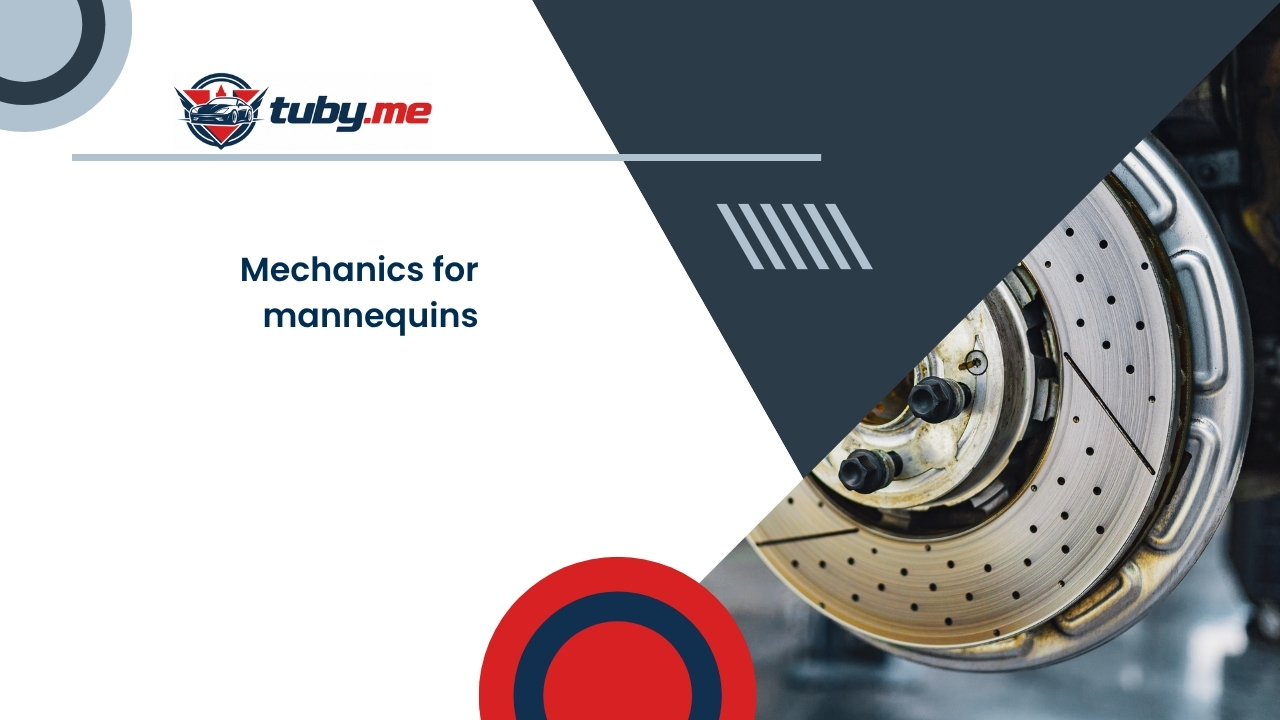
On a disc brake, the caliper contains the piston or pistons that press the brake pads against the disc. Caliper designs vary. If a workshop recommends replacing one, ask whether it is leaking, sticking or physically damaged.
4. Chassis rails
Chassis rails are structural members that contribute to the strength of a vehicle. Damage following a collision can require specialist assessment. An estimate should explain the location and extent of the damage, rather than simply saying that the chassis is bent.
5. Wheel bearing
A wheel bearing allows the wheel to rotate with low friction while supporting its load. Noise, play or vibration can prompt an inspection, but similar symptoms can come from tires and other components. Ask how the workshop identified the affected bearing.
6. Driveshaft and CV joint
A driveshaft transfers drive to a wheel. Constant-velocity joints allow that transfer while accommodating movement in the suspension and, where applicable, steering. A damaged protective boot can let grease escape and dirt enter the joint.
7. Spark plugs and glow plugs
Spark plugs ignite the air-fuel mixture in a gasoline engine. Diesel glow plugs provide heat to assist starting and other engine operating functions. They are different parts, and their maintenance requirements depend on the vehicle. Follow the manufacturer’s service information rather than a universal replacement interval.
8. Brake shoes
Brake shoes are the friction components inside a drum brake. They press against the drum to slow the wheel. Brake pads perform the equivalent friction role in a disc brake, but the two types of part are not interchangeable.
9. Engine valves
Intake and exhaust valves control the flow of gases into and out of the cylinders. The number and arrangement of valves vary between engines. A valve fault is different from a fault in a tire valve or another valve elsewhere in the car.
10. Camshaft
The camshaft uses shaped lobes to operate the engine’s valves in a timed sequence. Its drive and arrangement vary with the engine. If a repair estimate mentions the camshaft, ask whether the concern is the shaft itself, its drive, its timing system or its position sensor.
Questions to ask before approving a repair
- What symptoms and test results identify the faulty part?
- Does the estimate include parts, labor and any necessary follow-up work?
- Is the vehicle safe to drive while the repair is pending?
- What warranty applies to the work?
For a broader inspection before a purchase, use our used car buying checklist.
Latest Posts Published
Cheapest New Cars in 2026: 5 Best Under $24,000 (Real Prices)

GTA VI’s £1 Million Grotti Cheetah Is Real. Is It a Testarossa?
Car Battery Keeps Dying Overnight? How to Find the Drain

Used Car Buying Checklist: 15 Checks Before You Buy (2026)
How to Save Fuel: 12 Easy Tips to Cut Fuel Use in 2026
Prepare Your Car for Winter: 10-Point Checklist (2026)
How to Check and Set Your Tire Pressure Correctly
How to Jump-Start a Car Safely: Step-by-Step Guide

AI in Cars 2026: How Smart Cabins Are Tracking Your Every Move